Secure Patient Data: AI Compliance in Healthcare
GDPR-Compliant Healthcare AI: Private LLM for Healthcare
Explore the importance of GDPR-compliant healthcare AI and the transition from pilot projects to production-ready private LLMs for healthcare. Dive into the core use cases, architecture, and regulatory compliance.
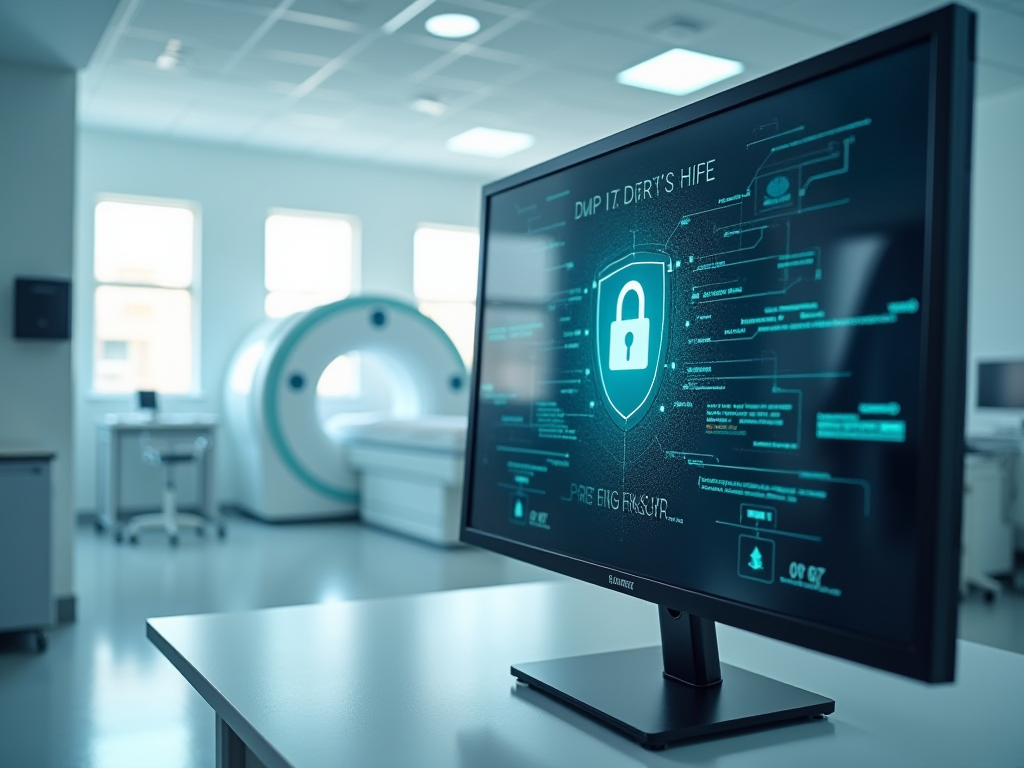
We provide private LLMs for healthcare – fully GDPR-compliant healthcare AI for hospitals, clinics and pharma.
Why GDPR-Compliant Healthcare AI Matters Now
The increasing reliance on AI in healthcare necessitates robust data protection measures to ensure patient privacy and compliance with GDPR Article 9.
The rise of AI in healthcare has brought significant advancements in clinical workflows, research, and pharmacovigilance. However, these innovations also introduce complex regulatory challenges, particularly concerning data privacy and security. GDPR-compliant healthcare AI ensures that sensitive patient information is handled securely and ethically, aligning with stringent European data protection standards.
Moving from Pilots to Production-Ready Healthcare LLMs
Organizations transitioning from experimental AI projects to production-ready solutions face numerous challenges. Key among these is ensuring that the AI models are not only effective but also compliant with GDPR and the EU AI Act. This involves rigorous testing, validation, and governance frameworks to manage data privacy risks and maintain regulatory compliance.
Core Use Cases for Medical & Pharma Teams
Clinical Documentation and Summarization
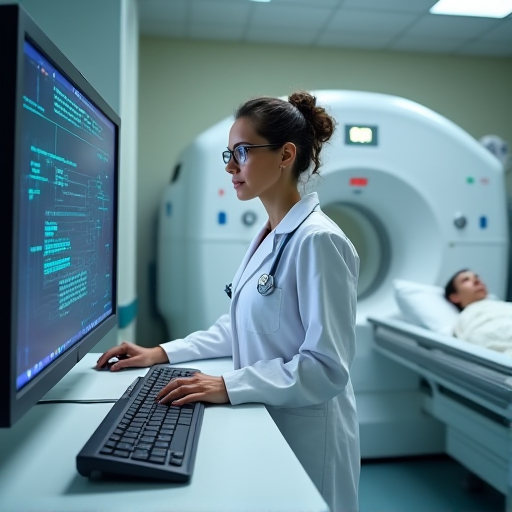
A private LLM for healthcare can streamline clinical documentation processes, providing accurate summaries of patient records. This not only enhances efficiency but also ensures that sensitive patient data remains protected and compliant with GDPR.
Medical Affairs & Research
Leveraging AI in medical research can significantly accelerate drug discovery and development processes, while maintaining strict adherence to GDPR guidelines.
AI-driven tools can assist in literature reviews, hypothesis generation, and predictive analytics, thereby enhancing the quality and speed of medical research. These capabilities are crucial for pharmaceutical companies aiming to innovate within a highly regulated environment.
Pharmacovigilance & Safety
A private LLM for healthcare can play a pivotal role in pharmacovigilance by analyzing adverse event reports and identifying potential safety issues. This proactive approach supports timely interventions and compliance with pharmacovigilance regulations.
Architecture, Data Residency, and Regulatory Compliance
The architecture of a private LLM for healthcare must be designed with data residency and regulatory compliance in mind. This includes adhering to GDPR Article 9, which governs the processing of personal data revealing racial or ethnic origin, political opinions, religious or philosophical beliefs, or trade union membership, and genetic data, biometric data, health data, or data concerning sexual life. Additionally, the EU AI Act introduces new requirements for high-risk AI systems, emphasizing transparency, accountability, and robustness.
Practical Implementation Roadmap
Implementing a private LLM for healthcare requires a structured approach. Organizations should begin by identifying key use cases, assessing risk levels, designing data flows, selecting appropriate models, establishing human oversight mechanisms, and continuously evaluating and monitoring performance.
Key Takeaways
- The importance of GDPR-compliant healthcare AI in protecting patient privacy and ensuring regulatory compliance.
- The transition from experimental AI projects to production-ready solutions requires rigorous testing and governance frameworks.
- The core use cases for private LLMs in healthcare, including clinical documentation, medical research, and pharmacovigilance.
- The need for a robust architecture that complies with GDPR and the EU AI Act, focusing on data residency and regulatory compliance.
- A structured implementation roadmap for hospitals, clinics, and pharmaceutical companies.